![[FISH]rx Logo in Black](https://fish-rx.com/wp-content/uploads/2025/07/FRXLOGO-BLK.png)
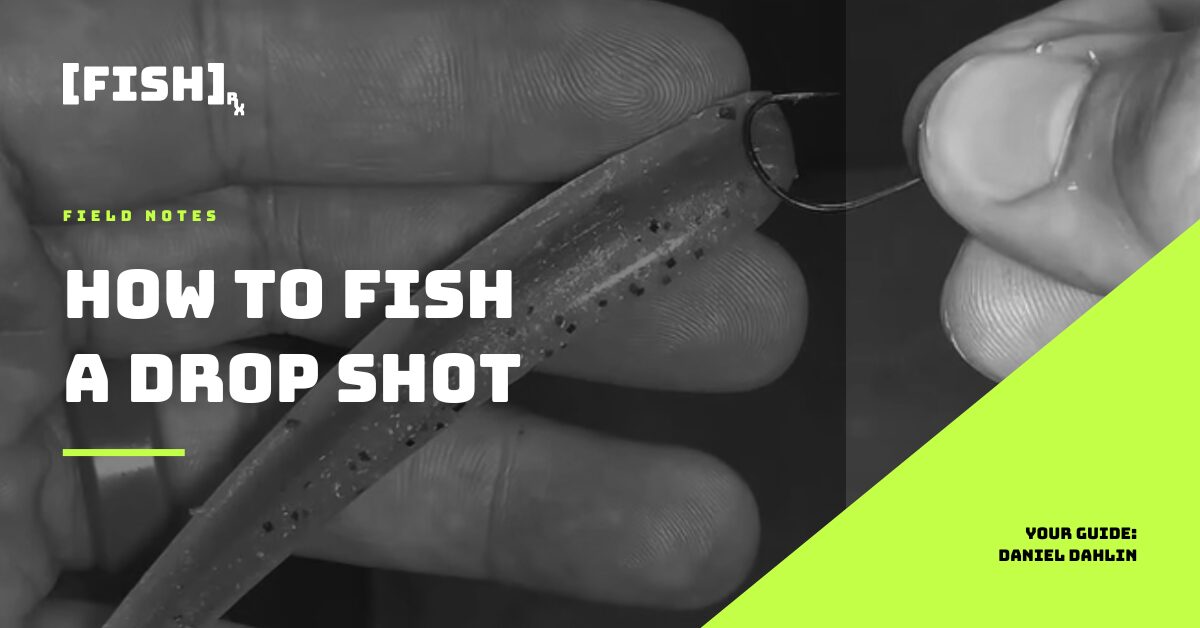
If there’s one setup that should be on every rod for inshore bass fishing in SoCal’s back bays and harbors, it’s the Drop Shot. Not because it’s always the right call — it isn’t — but because it’s the most reliable finesse presentation in the water column. Drop shot a 4 inch or even a 6 inch slug around dock structure and you’re going to get bit. There should be at least one fish in every section of water that wants it.
The technique itself isn’t complicated. But the details of how you rig it, how you set the weight, and how you adjust for current are the difference between a presentation that catches fish and one that just goes in and comes out. This guide covers all of it.
The rig — step by step
Most fishing from start you will want to start with a 15lb leader. This is usually a foot to 2 rod lengths. In Marina del Rey and similar rocky harbors, going lighter than that is a gamble you’ll lose on a big fish that runs toward structure. If you’re fishing cleaner water with fewer obstructions, you can drop to 12lb, but 15lb is the floor for most SoCal back bay conditions.
Hook setup
Nose hook with a drop shot style hook or use a 2/0 EWG for a 4-inch slug. Once the knot is tied, feed the tag end of the line back through the eye of the hook from the top down to keep that hook positioned straight. This is the step most people skip and it’s the most important one. That tag end running back through the eye keeps the hook riding straight up and down instead of hanging down.
The further the hook sits in the head of the bait the more action you will get. I only nose hook the bait on a drop shot style hook when the bite shuts off – might loose the bait but in a tournament that bite will lead to a fish. You wont loose the bait every time with nosing hooking but it does incase the chance. Most days i stick with a 2/0 EWG.
Rigging the bait
Nose-hook the slug. Go in through the belly, out through the top – you are looking to hook “just enough,” of the bait to sit on the hook. If you wanted you can always add a twist lock to the nose of the bait and put the hook through the twist lock. that will help save your baits. The bait should be straight and the hook point exposed — this will be less weedless but it should still be fine because you are fishing off the bottom with the drop shot. Take an extra few seconds to make sure it’s straight before you cast.
It’s okay to go a little shorter on the leader, roughly 6 inches from the weight to the hook. 12 in is usually the standard starting point, but let the structure dictate what you use. Fishing grass — make your leader just above the types, but remember most of your fish are going to come near to the bottom. most of the time 6-9 inches will do just fine.
There’s a knot you can tie for a drop shot — but I just tie a normal knot and feed the tag back through the eye. The hook stays straight up and down either way. That’s what matters.
Weight by current
This is the adjustment most anglers don’t think about until they’ve lost fish by fishing the wrong weight for the conditions.
Normal back bay current: 3/8-ounce is the right call for most dock and structure fishing. Heavy enough to hold near the bottom without pulling the bait off structure. Light enough that you can still feel the bait and detect the subtle pickup that spotted bay bass often give.
Strong current: 1/2-ounce. At this point you’re fighting the tide to stay near the bottom and the extra weight is earning its place. Going heavier than half-ounce on a drop shot in a harbor environment is usually unnecessary unless you’re fishing deep open water. Fisherman also say that if the bite is on the bottom why waste your time getting to the bottom, and on that note you can go heavy. That will get you to the bottom faster and keep you on the bottom.
When there’s not a lot of current, go as light as a 1/4 ounce. Half ounce is the heaviest I’ll go when I’m shore-pounding. That puts me in the sweet spot for most back bay conditions.
RX Belly Weights are sized specifically for this rig — 1/4 oz through 1/2 oz covers most back bay conditions.
How to fish it
Around structure
Cast past the structure you’re targeting and bring the rig along the edge rather than dropping it straight on top of the spot. Let it sink on a semi-slack line so the weight reaches the bottom naturally. Once it’s down, dead-stick it. Don’t immediately start working the rod. Let the bait sit for a few seconds and let any current do the work of giving it subtle movement.
The most common mistake is moving the drop shot too much. It’s a finesse presentation — the action comes from the bait itself and from current, not from aggressive rod work. Give each spot time before moving on. If current is sweeping the rig under a dock or boat, let it. That’s exactly where the fish are sitting.
Reading the bite
Spotted bay bass on a drop shot often give a subtle pickup rather than a hard strike. The line goes slightly heavy, or you feel a tick, or the bait just stops moving the way it was. Set the hook on anything that feels different. You’ll miss some that weren’t fish but you’ll catch fish you’d otherwise have reeled past.
When a fish does hit hard — and they do, especially larger spotties — keep steady pressure and control the angle. In rocky harbors with dock structure overhead, a fish that gets any momentum toward cover can wrap you in one run. Stay connected and steer them away from the structure the moment they turn.
It’s just a solid presentation, when they don’t want it. There should be at least one fish in every section that’s going to eat a slug on a drop shot.
When to switch off the drop shot
The drop shot is your baseline. It’s not always the right call. When fish are actively feeding and spread across open water, a search bait — bladed jig, paddle tail on a roll head — finds them faster. When conditions are moving and fish are aggressive, the drop shot’s patience doesn’t fit the moment, but will still produce fish.
The signal to switch is simple: you’ve worked a section methodically, you’re confident the presentation is right, and nothing is eating it. That’s information. Either the fish aren’t there or they want something different. Pick up a different rod before you leave the section and try one more pass with a different presentation. If that doesn’t produce either, move.
Key takeaways
- Feed the tag end back through the hook eye after tying. That one step keeps the hook riding straight and improves every hookset you make on this rig.
- Match weight to current: 1/4-ounce in slack water, 3/8-ounce in normal back bay current, 1/2-ounce in heavier flow. Don’t default to the same weight every session.
- Dead-stick it. The drop shot catches fish when you let the bait do the work. Too much rod movement is the most common reason it stops producing.
Frequently asked questions
What size hook for a drop shot in saltwater?
A 2/0 EWG is the right choice for a 4-inch soft plastic slug in most SoCal back bay conditions. Spotted bay bass have a smaller mouth than calico or sand bass — the 2/0 fits the profile without being too large to get a clean hookset. Feed the tag end back through the hook eye after tying to keep it riding straight.
How long should my drop shot leader be?
Six inches is the standard starting point for dock and structure fishing in SoCal back bays. That puts the bait just off the bottom where most bites come from. Go longer — up to 12 inches — if fish seem to be holding slightly higher in the water column. Go shorter if you want the bait right on the deck.
Can you drop shot in saltwater?
Yes, and it’s increasingly one of the most effective inshore techniques in SoCal. The presentation translates directly from freshwater — same rig, same principles. The main adjustment is line weight: 15lb fluorocarbon is the floor in rocky harbors like Marina del Rey where structure and dock edges create real break-off risk. The technique works on spotted bay bass, calico, sand bass, and halibut.
The spotted bay bass field guide covers back bay structure, presentation, and tournament context specifically.
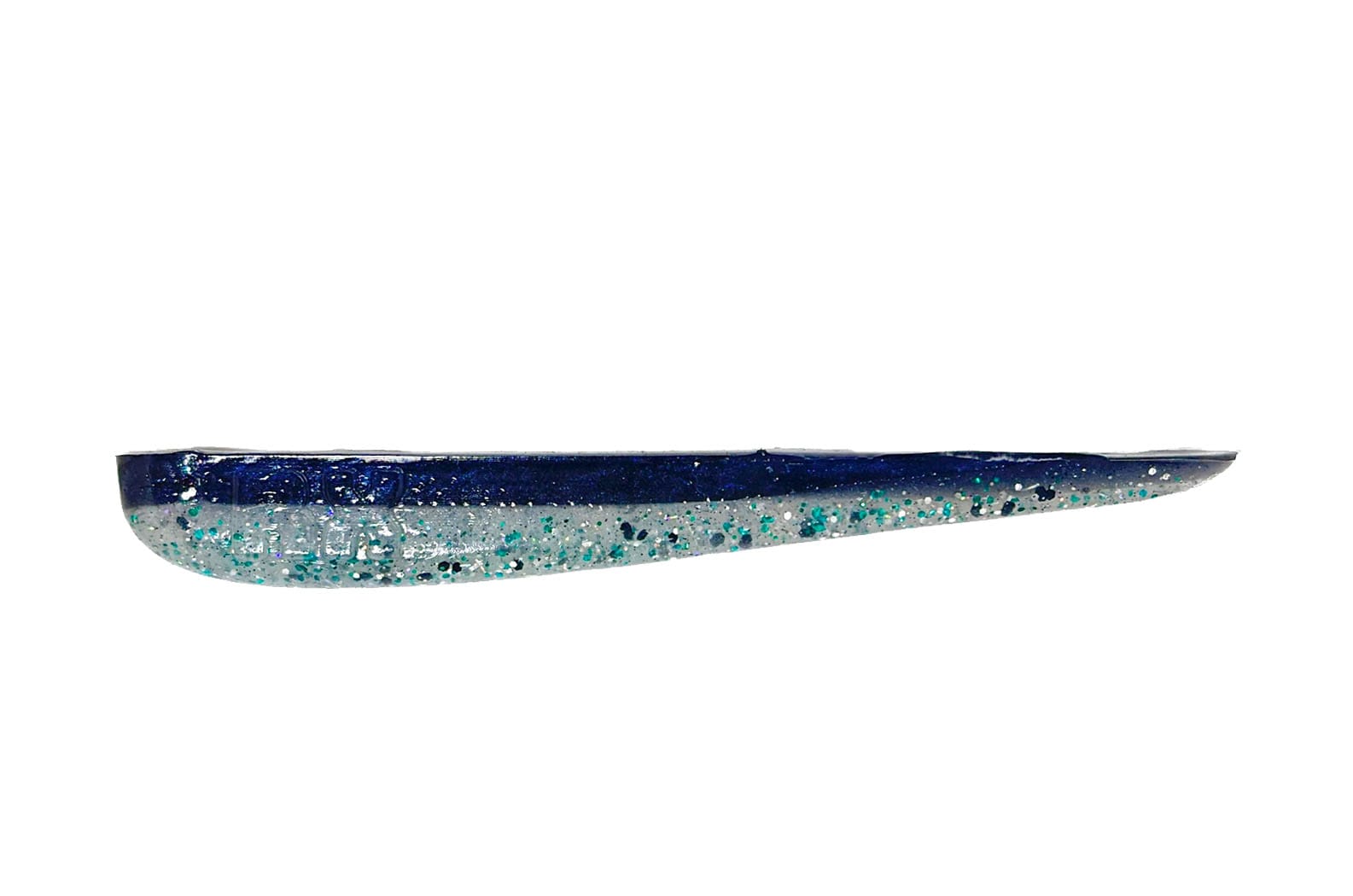
RX Slug
The RX Slug in 4″ and 6″ is the go-to drop shot bait for SoCal inshore. For color selection across conditions, the soft plastic colors guide covers what works in clear vs. stained water and by season.