![[FISH]rx Logo in Black](https://fish-rx.com/wp-content/uploads/2025/07/FRXLOGO-BLK.png)
Tag: SoCal inshore
-

Fred Klinshaw on how coastal proximity staggers spawn timing across three lakes, why post-spawn bass are eating shad on A-rigs in open water right now, and what 11 years of full-time guiding teaches you about decision-making on the water.
-
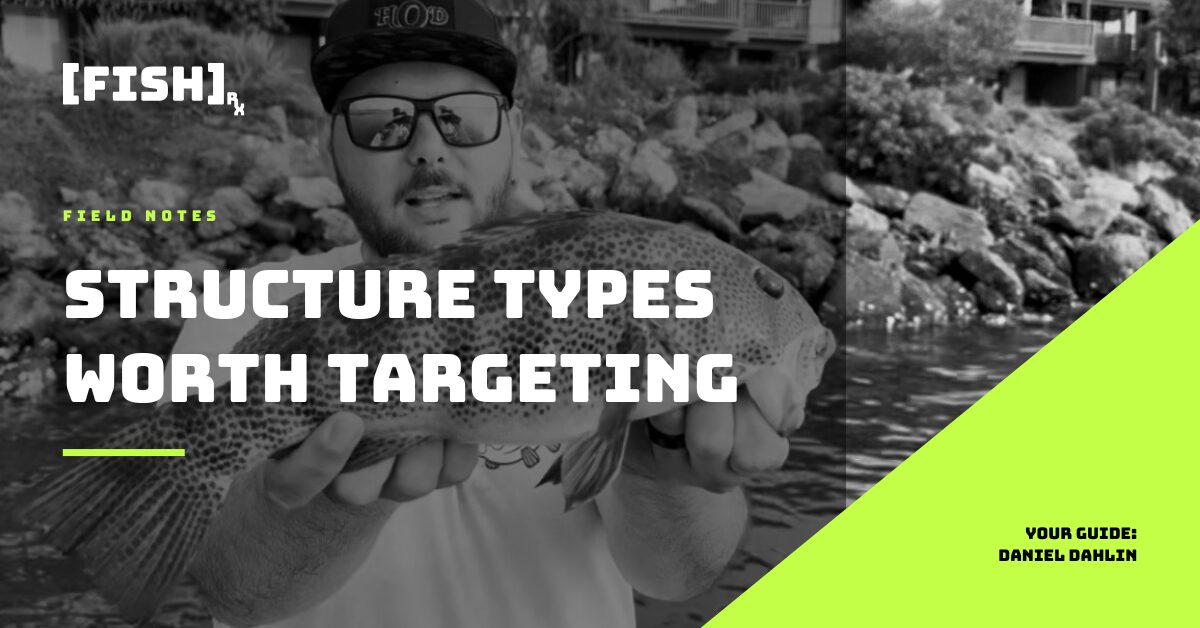
Six structure types that consistently produce SoCal inshore bass — and why fish hold on each one. Dock pylons, channel edges, kelp beds, and more.
-

Derek Wurtz of Deek’s Jigs on the hook decision that shaped the Cheapskate, why SoCal anglers are running bladed jigs at 2 oz along the bottom, and what four months of island calico testing proved about durability.
-
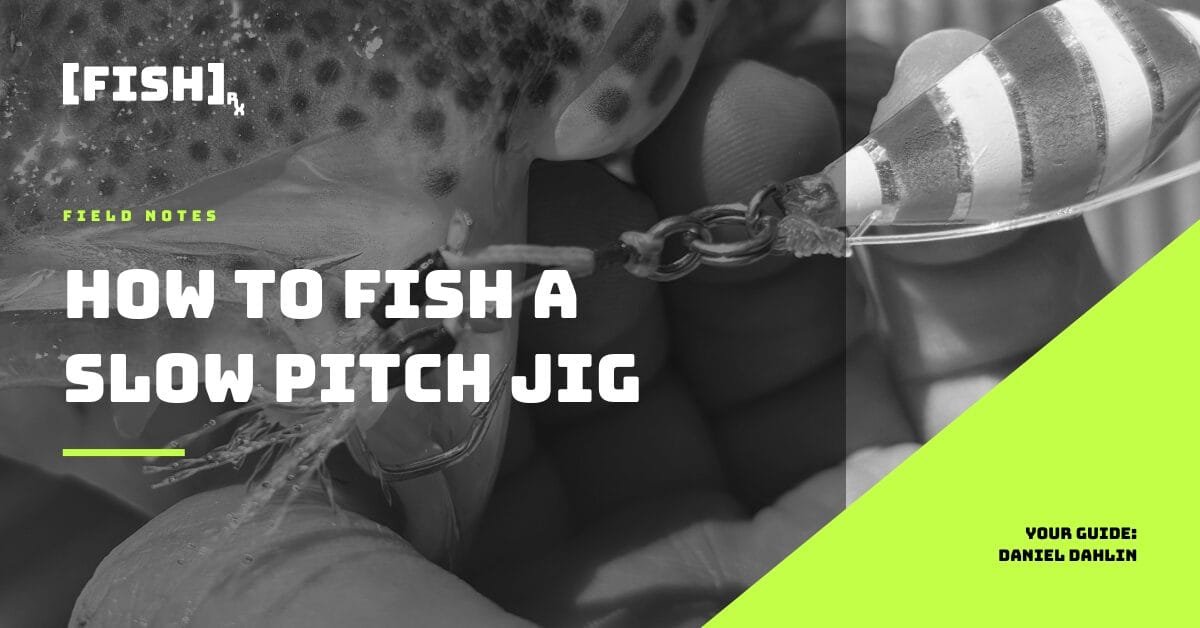
The slow pitch jig is the vertical presentation most SoCal inshore anglers overlook. Drop it, stroke it, watch the line — the bite almost always comes on the fall.
-

Andrew Navarro of Top Notch Leadheads on the corbina retrieve that works from the sand, why the trapper head gets more fish per bait, and the shad spawn strategy that puts bigger fish in the net.
-
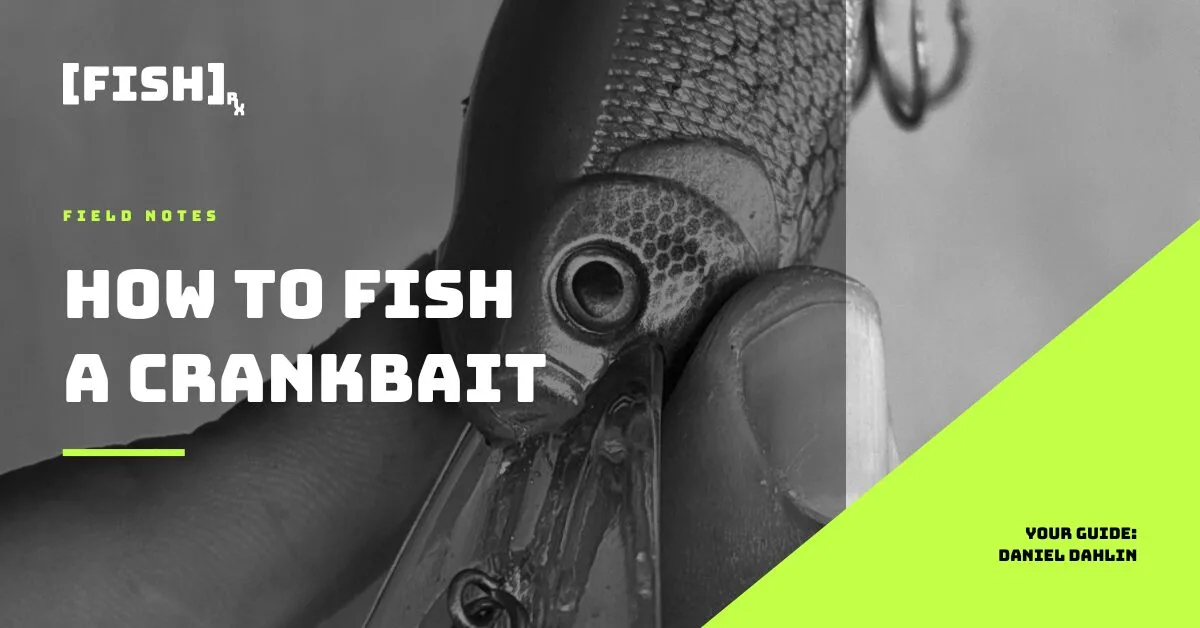
A crankbait grinding along a rocky wall triggers calico and sand bass in a way that finesse presentations can’t match. Bottom contact on every cast, knowing your setup, and letting the fish tell you what they want — here’s how to fish it.
-

Oliver Ngy and Dejon Wells on why disappearing kelp is changing the exposed hook argument, how to count a big bait down to structure without snagging, and when scent actually converts short bites.
-
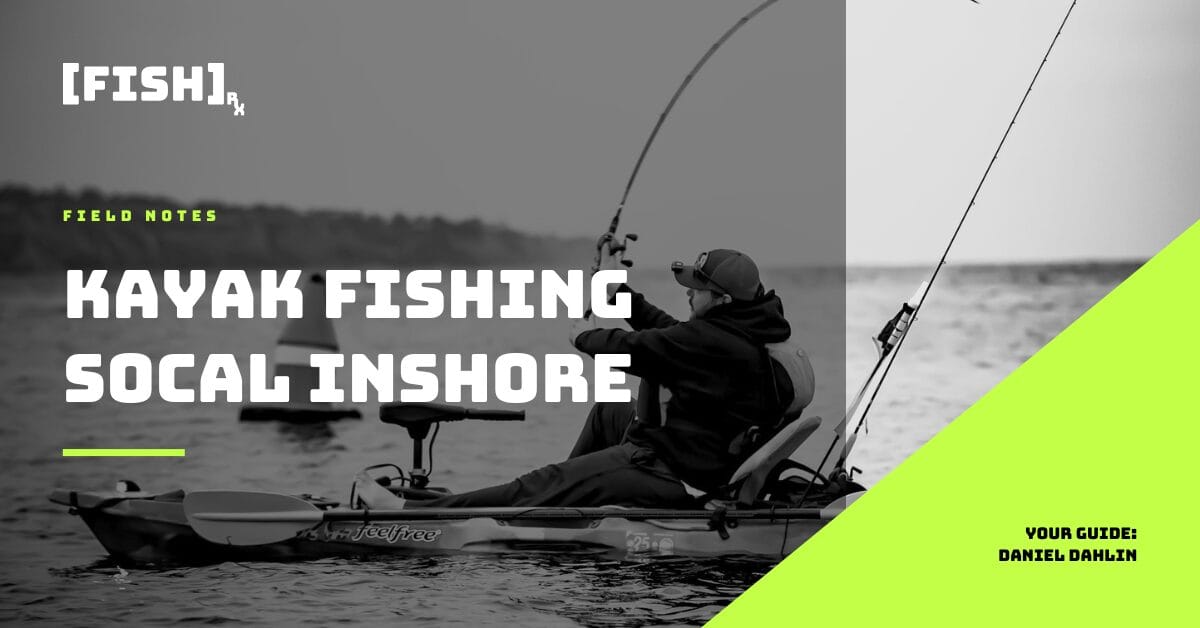
A kayak or float tube puts you on water most anglers never reach. Here’s how to fish SoCal inshore from a small craft and make the platform work for you.
-
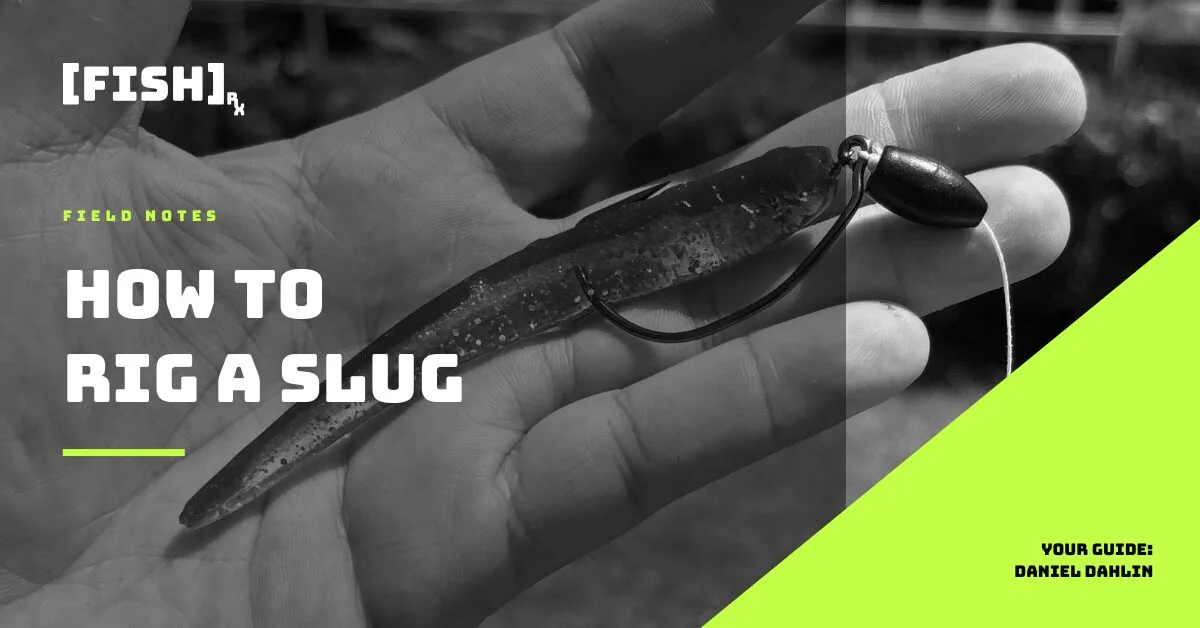
There’s no single best way to rig a slug — and that’s the point. Texas rig, roll head, underspin, MDR C-rig, scrounger head, jika rig, belly weights. Here’s when to reach for each one and how to set it up right.
-

Robert Kane on why glide bait fishing only clicks after you commit a full session to it, how rat baits require the angler to create the action, and what the Ed Roth confidence principle has to do with catching fish.