![[FISH]rx Logo in Black](https://fish-rx.com/wp-content/uploads/2025/07/FRXLOGO-BLK.png)
Field Notes
-
You pull up to a spot, and before you tie anything on, you’re looking at the water. Bait balled up tight against the pilings tells you one thing. Nothing visible tells you something else, but not what most people assume. Match the hatch starts here, and it has less to do with identifying a species…
-
I’ve been on top of corbina for a whole month and caught two. That tells you exactly what corbina fishing SoCal is. These are not fish you figure out in a session. They are not fish you luck into on artificials. If you catch one on a jig or a soft plastic, you earned it.…
-
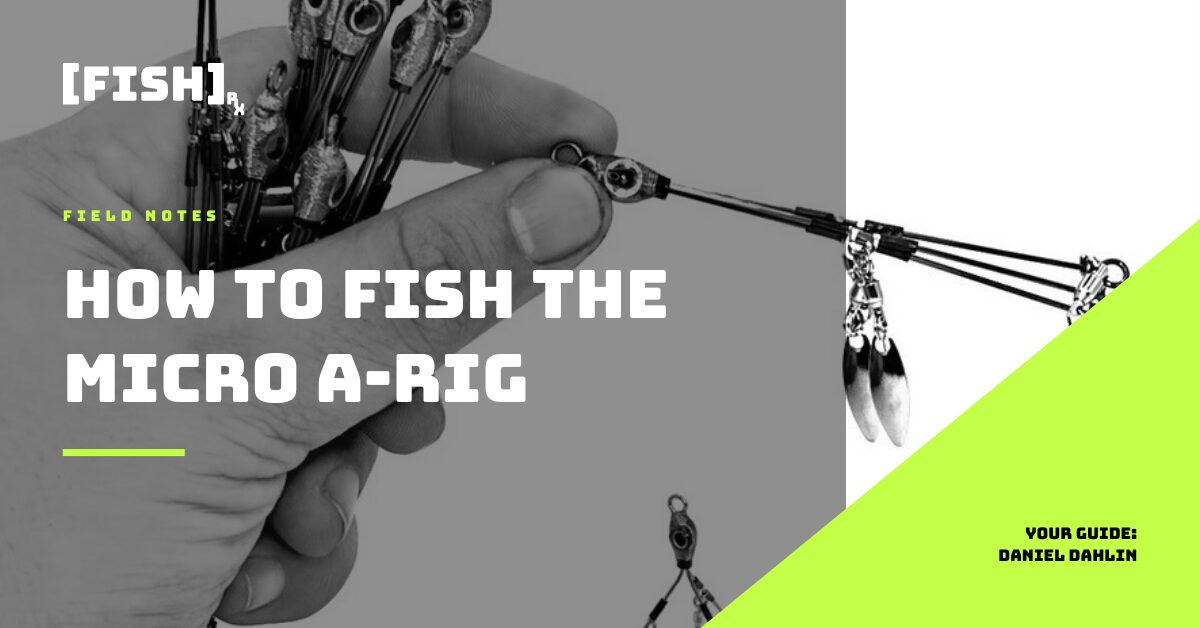
A cluster of arms reads as a bait fish ball and pulls bites a single soft plastic can’t — here’s how to rig the A-rig and C-rig and decide which one to throw for the water you’re fishing.
-
SoCal inshore bass fishing has a real learning curve. Start with structure, keep your bait near the bottom, and the fish will tell you the rest.
-
The Ned rig catches spotted bay bass that won’t touch a swim bait or drop shot — here’s when to reach for it, how to choose between the Firecracker Ned and Roll Head, and how to work it around dock structure.
-
California halibut share the same harbor water as inshore bass but hold on sandy bottom instead of structure — here’s how to find them, adjust your hook set, and stop losing the ones you do hook.
-
Most missed fish in SoCal inshore aren’t lost on the fight — they’re lost on the hook set. Here’s why the wind-in beats the big swing on braid, and what steady pressure actually does to drive the hook home.
-
Six structure types that consistently produce SoCal inshore bass — and why fish hold on each one. Dock pylons, channel edges, kelp beds, and more.
-
The slow pitch jig is the vertical presentation most SoCal inshore anglers overlook. Drop it, stroke it, watch the line — the bite almost always comes on the fall.
-
A crankbait grinding along a rocky wall triggers calico and sand bass in a way that finesse presentations can’t match. Bottom contact on every cast, knowing your setup, and letting the fish tell you what they want — here’s how to fish it.