![[FISH]rx Logo in Black](https://fish-rx.com/wp-content/uploads/2025/07/FRXLOGO-BLK.png)
Tag: structure fishing
-
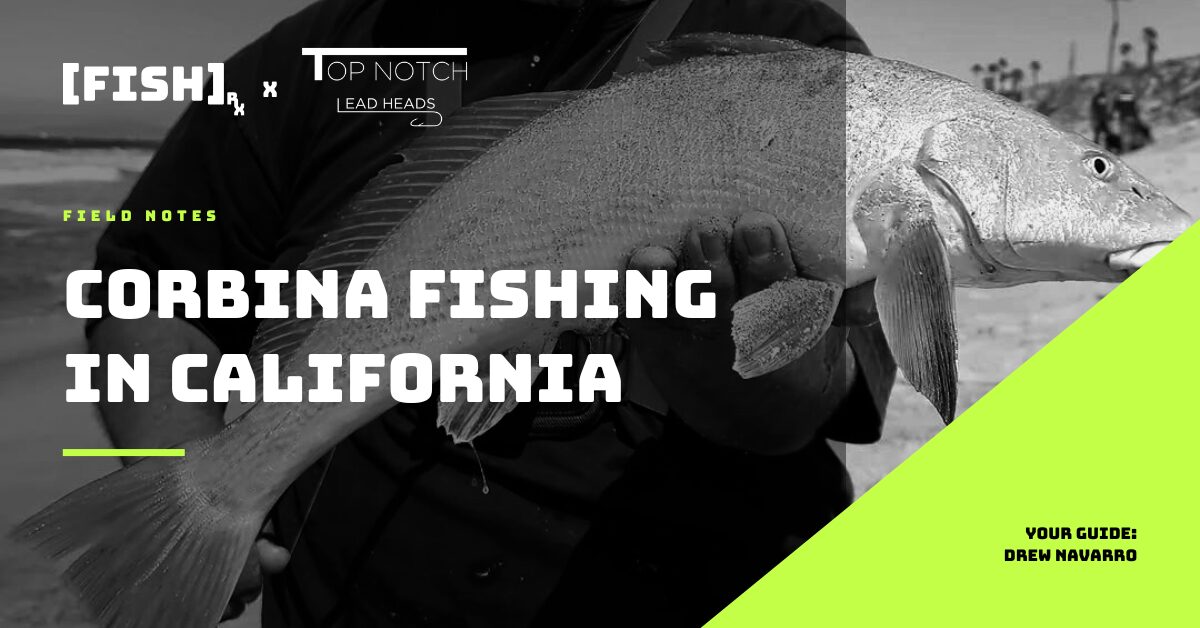
I’ve been on top of corbina for a whole month and caught two. That tells you exactly what corbina fishing SoCal is. These are not fish you figure out in a session. They are not fish you luck into on artificials. If you catch one on a jig or a soft plastic, you earned it.…
-
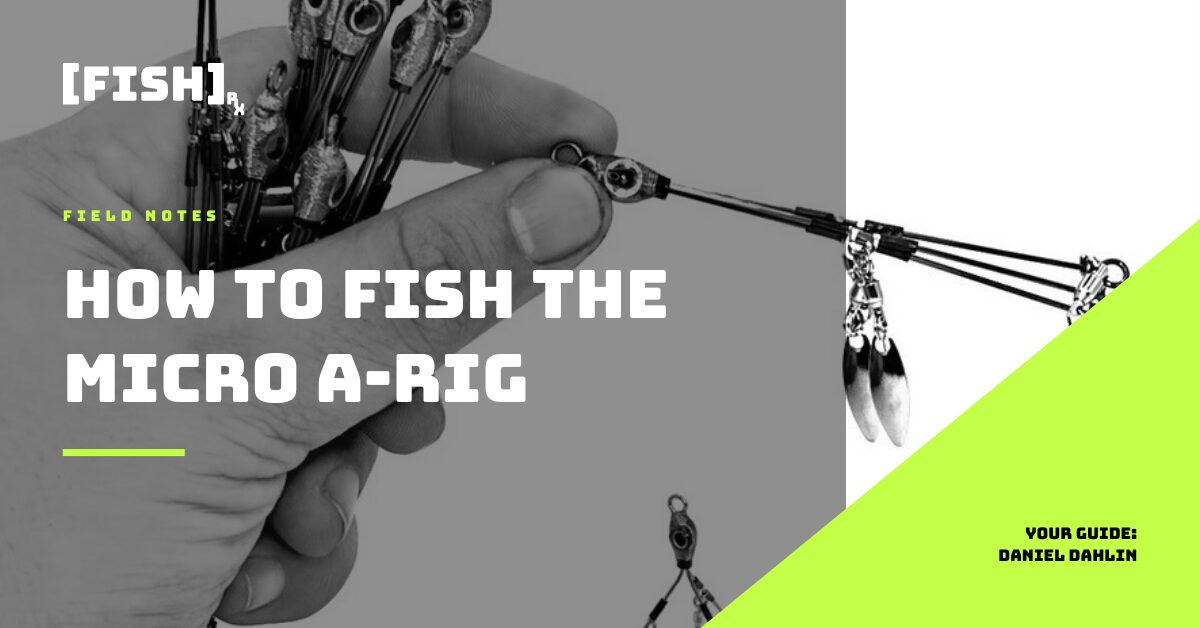
A cluster of arms reads as a bait fish ball and pulls bites a single soft plastic can’t — here’s how to rig the A-rig and C-rig and decide which one to throw for the water you’re fishing.
-
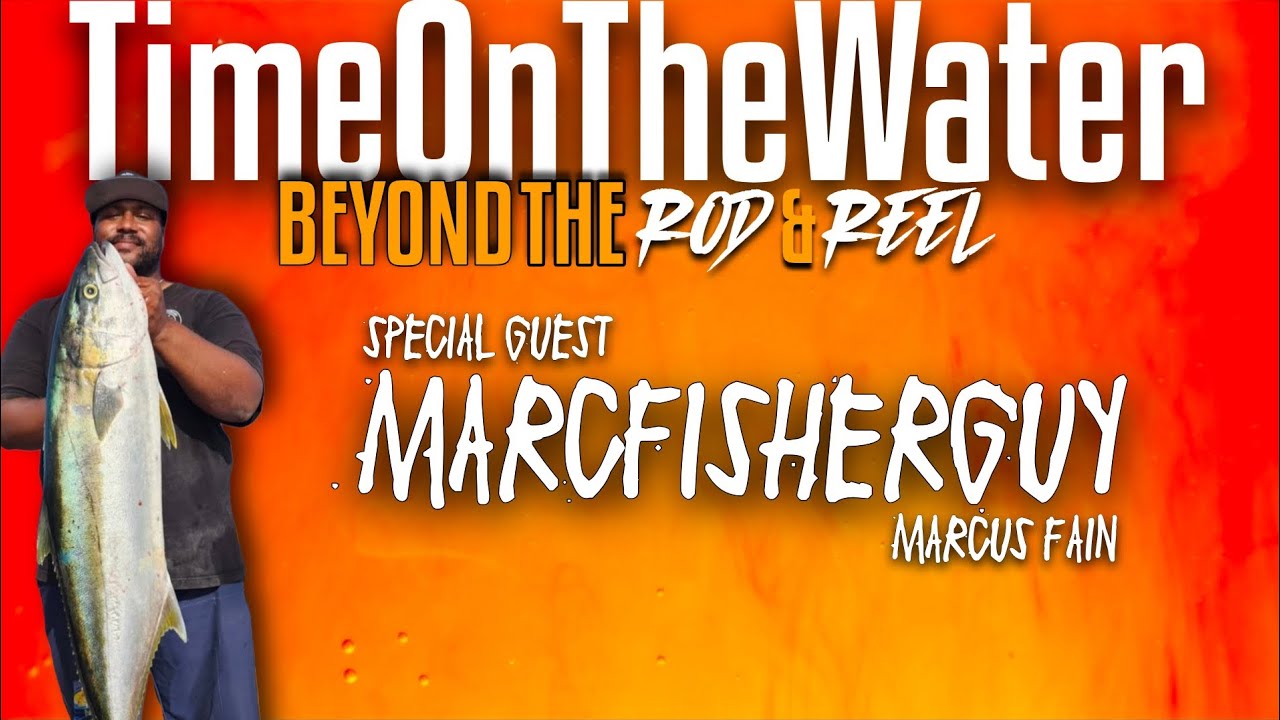
Marcus Fain of CDFW on SoCal fishery health, what warm water and kelp loss mean for local bass, and how to set up for yellowtail on an overnight trip.
-
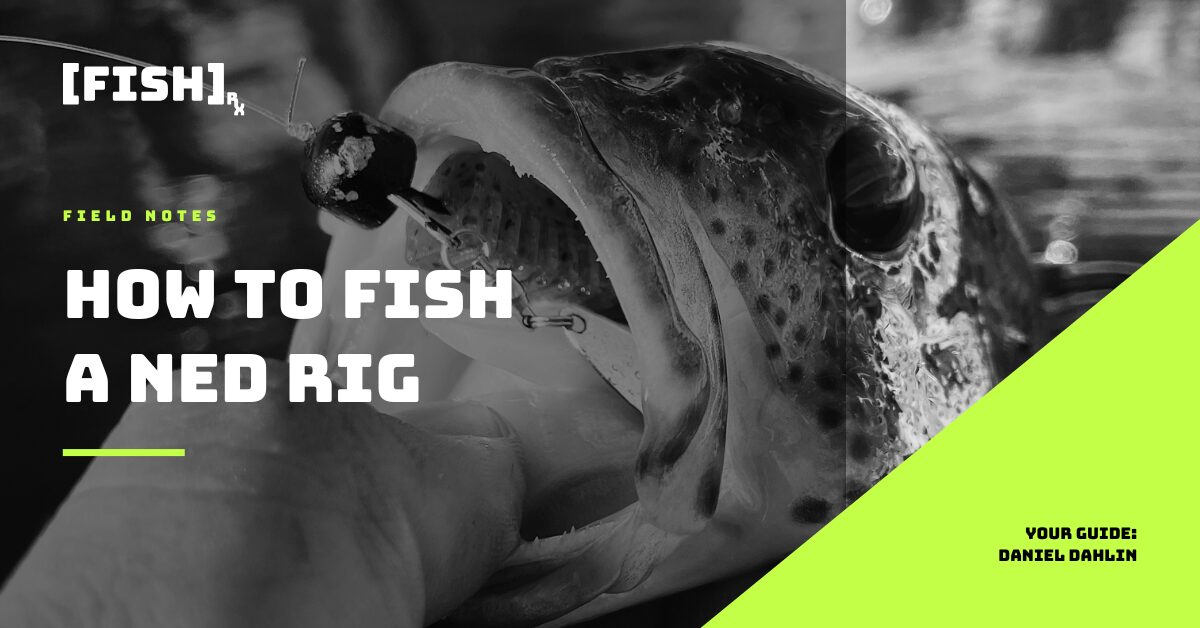
The Ned rig catches spotted bay bass that won’t touch a swim bait or drop shot — here’s when to reach for it, how to choose between the Firecracker Ned and Roll Head, and how to work it around dock structure.
-
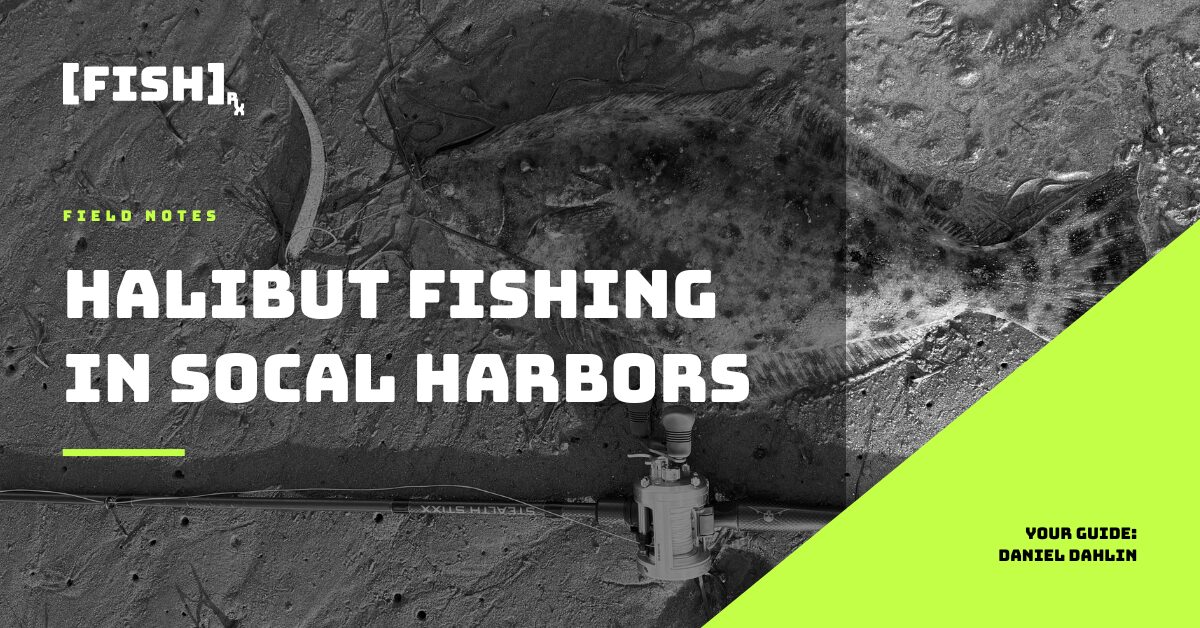
California halibut share the same harbor water as inshore bass but hold on sandy bottom instead of structure — here’s how to find them, adjust your hook set, and stop losing the ones you do hook.
-
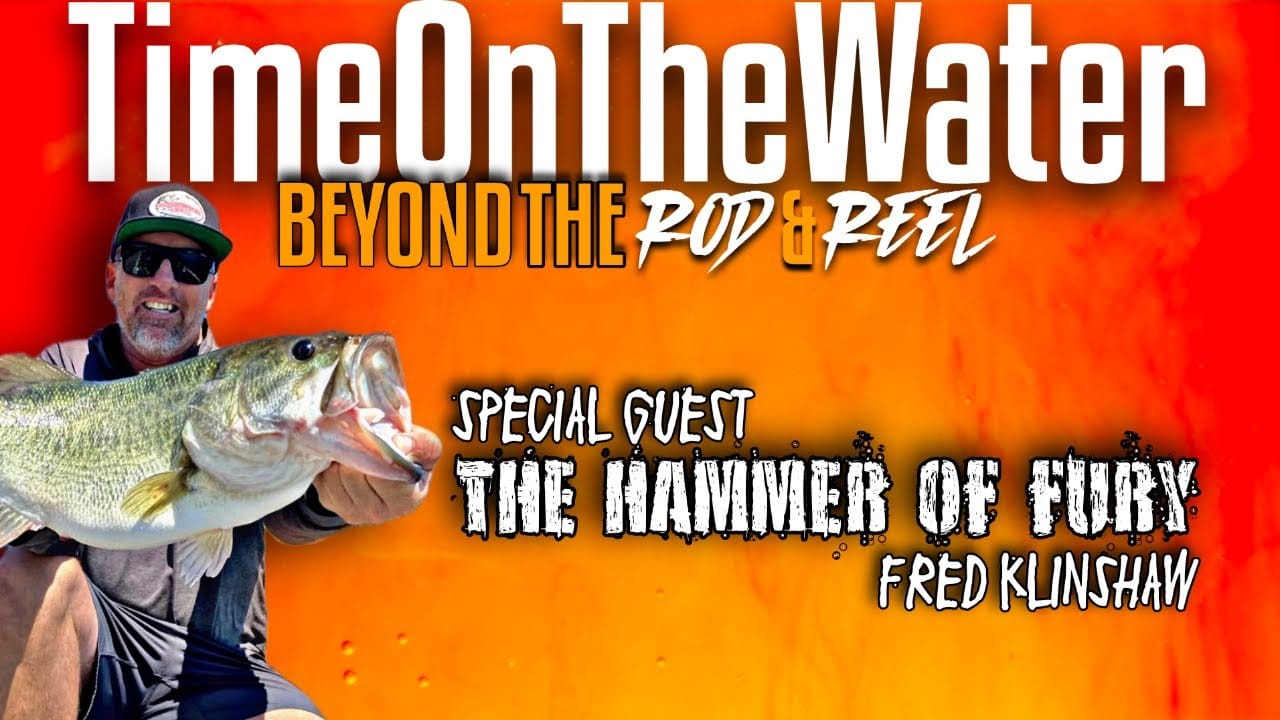
Fred Klinshaw on how coastal proximity staggers spawn timing across three lakes, why post-spawn bass are eating shad on A-rigs in open water right now, and what 11 years of full-time guiding teaches you about decision-making on the water.
-
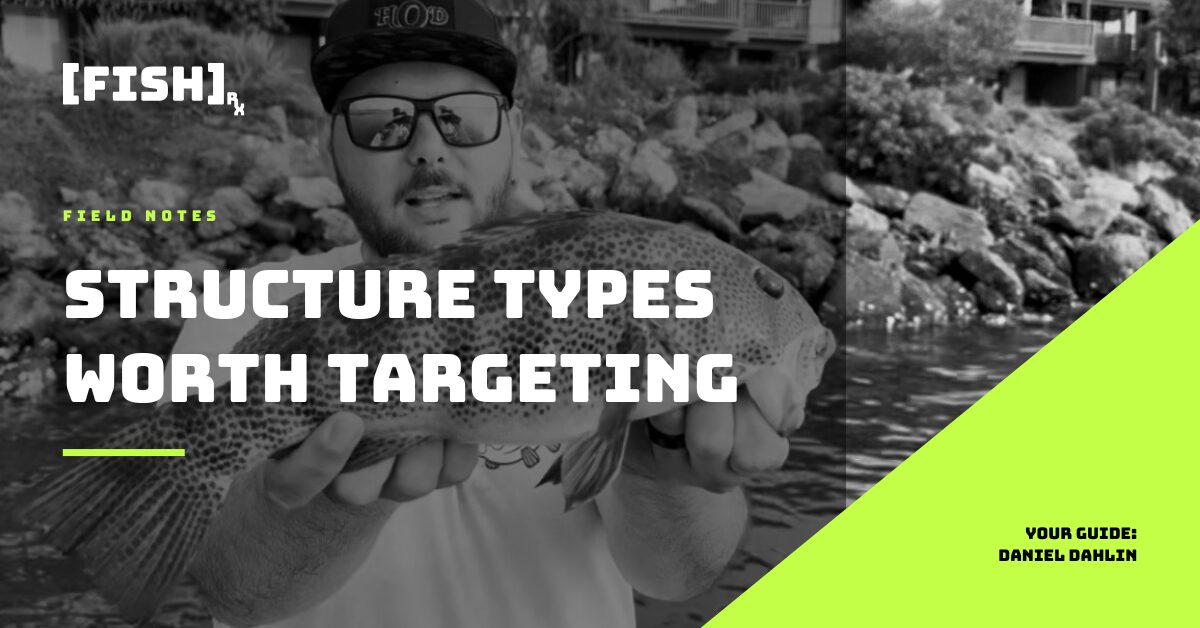
Six structure types that consistently produce SoCal inshore bass — and why fish hold on each one. Dock pylons, channel edges, kelp beds, and more.
-
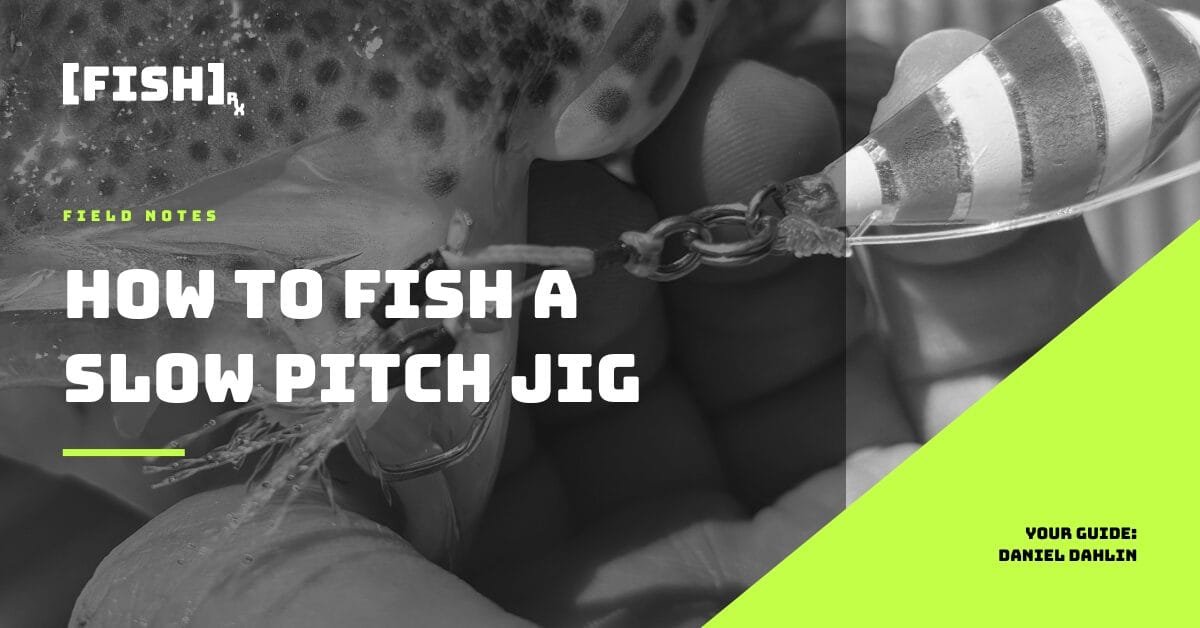
The slow pitch jig is the vertical presentation most SoCal inshore anglers overlook. Drop it, stroke it, watch the line — the bite almost always comes on the fall.
-
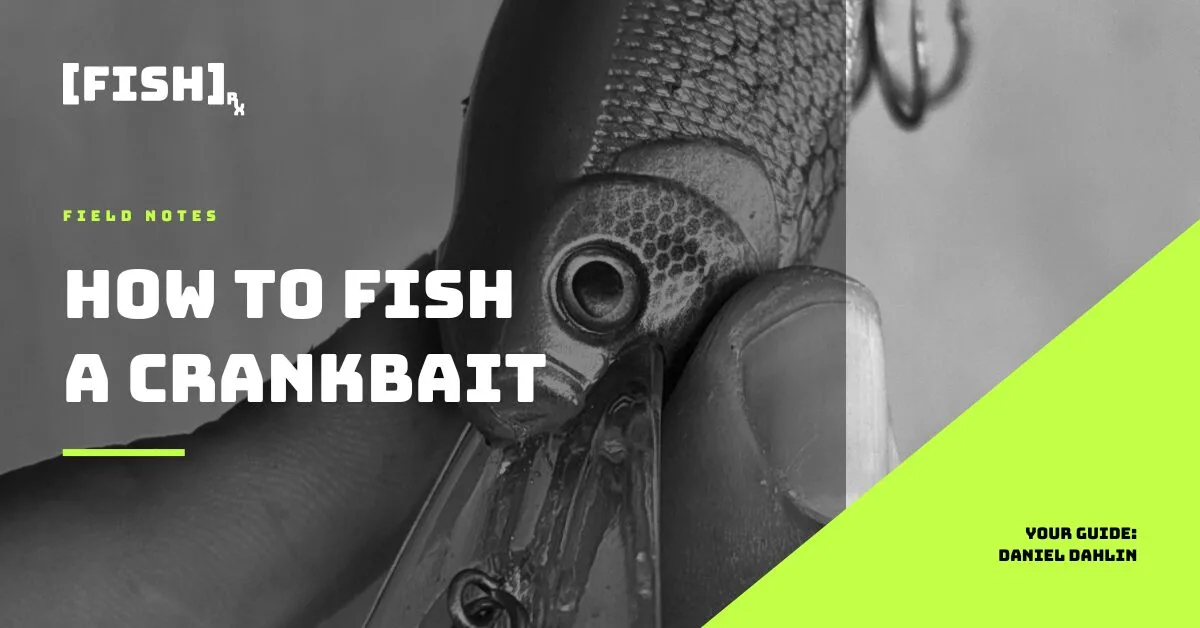
A crankbait grinding along a rocky wall triggers calico and sand bass in a way that finesse presentations can’t match. Bottom contact on every cast, knowing your setup, and letting the fish tell you what they want — here’s how to fish it.
-
Oliver Ngy and Dejon Wells on why disappearing kelp is changing the exposed hook argument, how to count a big bait down to structure without snagging, and when scent actually converts short bites.